

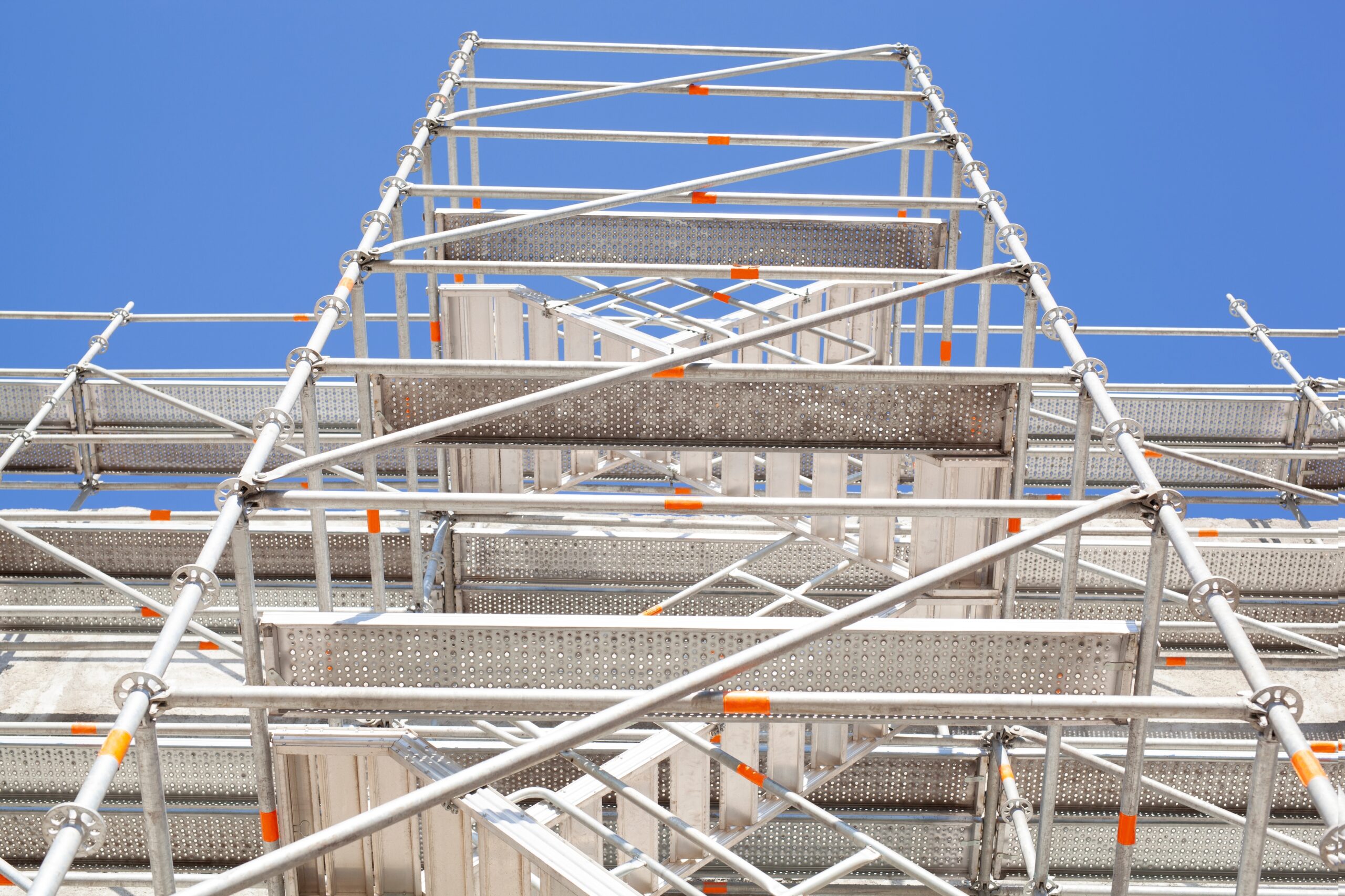
Scaffolding plays a critical role in construction, maintenance, and renovation projects throughout Florida. Whether you’re working on a commercial high-rise in Miami, a residential development in Fort Lauderdale, or a restoration project in Fort Myers, proper scaffold setup and dismantling procedures are essential for maintaining jobsite safety and productivity.
At House of Ladders, we provide professional scaffolding rental, scaffold installation support, fall protection equipment, and safety solutions to contractors across South Florida. Following proven scaffold safety practices can help prevent accidents, reduce downtime, and ensure compliance with OSHA regulations.
Why Proper Scaffold Setup Matters
A properly assembled scaffold provides workers with a stable platform for performing tasks at elevated heights. Incorrect assembly, inadequate inspections, or improper dismantling can create serious hazards, including falls, structural collapse, and dropped objects.
By following established best practices for scaffold setup Florida contractors can:
- Improve worker safety
- Increase project efficiency
- Reduce liability risks
- Maintain OSHA compliance
- Protect equipment investments
Step 1: Plan Before Scaffold Installation
Successful Florida scaffold installation begin long before the first frame is assembled.
Evaluate the Job Site
Before installation:
- Assess ground conditions and stability
- Identify overhead power lines
- Consider weather conditions, especially Florida’s frequent storms and high winds
- Determine required scaffold height and load capacity
- Evaluate access points and work zones
A thorough site assessment helps ensure the scaffold system is designed appropriately for the specific project requirements.
Select the Right Scaffold System
Different projects require different scaffold configurations.
Common options include:
- Frame scaffolding
- Rolling scaffolds
- System scaffolding
- Suspended scaffolds
- Custom scaffold solutions
Working with an experienced Florida scaffolding rental provider such as House of Ladders ensures you receive the right equipment for your application.
Step 2: Follow Safe Scaffold Setup Procedures
Use Proper Foundation Support
The scaffold base must rest on solid, level ground.
Best practices include:
- Using base plates and mud sills when necessary
- Avoiding unstable or uneven surfaces
- Ensuring adequate weight distribution
A stable foundation is one of the most important scaffold safety measures.
Assemble According to Manufacturer Guidelines
Never improvise scaffold components.
Qualified personnel should:
- Follow manufacturer instructions
- Use compatible parts only
- Secure all connections properly
- Install braces and supports as required
Missing or improperly installed components can compromise structural integrity.
Install Guardrails and Fall Protection
Fall protection is a critical part of scaffold safety.
Depending on the scaffold type and height, workers may require:
- Guardrail systems
- Personal fall arrest systems
- Safety harnesses
- Toe boards
At House of Ladders, we offer a wide range of fall protection solutions designed to help contractors maintain safe working conditions.
Ensure Safe Access
Workers should never climb scaffold frames unless specifically designed for access.
Recommended access methods include:
- Scaffold stair towers
- Integrated ladder systems
- Access gates
Safe access reduces the risk of slips and falls during daily operations.
Step 3: Conduct Thorough Inspections
One of the most important scaffold tips is performing inspections before each work shift.
Inspect for:
- Loose connections
- Damaged planks
- Missing guardrails
- Bent frames
- Signs of corrosion
- Foundation movement
A competent person should inspect scaffolding regularly and document any issues that require correction.
Step 4: Maintain Scaffold Safety During Use
Even a properly assembled scaffold requires ongoing attention.
Respect Load Limits
Overloading is a common cause of scaffold failures.
Avoid:
- Storing excessive materials on platforms
- Exceeding manufacturer load ratings
- Allowing multiple trades to overload work areas
Monitor Weather Conditions
Florida weather can change rapidly.
Strong winds, heavy rain, and lightning can create dangerous working conditions. Work should be suspended when weather conditions compromise scaffold stability or worker safety.
Keep Platforms Clear
Good housekeeping is an often-overlooked scaffold safety practice.
Workers should:
- Remove debris regularly
- Secure tools and materials
- Maintain clear walking surfaces
A clean scaffold platform reduces trip hazards and improves productivity.
Best Practices for Breaking Down Scaffolding
Safe dismantling is just as important as safe assembly.
Create a Dismantling Plan
Before taking down scaffolding:
- Review the original setup plan
- Assign qualified personnel
- Establish exclusion zones below the work area
- Communicate responsibilities clearly
Planning helps prevent confusion and accidents during removal.
Remove Components in Reverse Order
Scaffolds should generally be dismantled in the reverse order of installation.
This process helps maintain structural stability throughout the breakdown process.
Never remove:
- Bracing prematurely
- Load-bearing components before upper sections are cleared
- Critical supports that affect scaffold integrity
Lower Materials Safely
Avoid throwing scaffold components to the ground.
Instead:
- Use hoists or ropes
- Hand materials down carefully
- Stack components in designated areas
Proper material handling helps prevent injuries and equipment damage.
Inspect Components After Removal
Once dismantled, inspect all equipment before storage or return.
Check for:
- Bent frames
- Damaged braces
- Worn planks
- Missing hardware
Identifying damaged components early helps ensure safer future installations.
Common Scaffold Safety Mistakes to Avoid
Even experienced crews can make mistakes.
Some of the most common scaffold safety issues include:
- Skipping daily inspections
- Using damaged equipment
- Ignoring weather hazards
- Overloading platforms
- Failing to install guardrails
- Using improper access methods
- Allowing untrained workers to assemble scaffolding
Avoiding these mistakes can significantly reduce the risk of accidents and project delays.
Partner with a Trusted Florida Scaffolding Provider
Whether you’re managing a commercial construction project in Miami, a renovation in Fort Lauderdale, or a maintenance project in Fort Myers, having access to quality scaffolding and safety equipment is essential.
House of Ladders provides:
- Scaffolding rental solutions
- Scaffold installation support
- Fall protection equipment
- Custom fabrication services
- Safety equipment and accessories
Our experienced team helps contractors throughout South Florida select the right equipment and maintain safe, productive jobsites.
Proper scaffold setup and dismantling procedures are critical for worker safety, regulatory compliance, and project success. By planning ahead, following manufacturer guidelines, conducting regular inspections, and adhering to scaffold safety best practices, contractors can reduce risks and improve efficiency on every job.
If you’re looking for expert scaffold installation or dependable scaffolding rental services in Miami, Fort Lauderdale, Fort Myers or the surrounding areas, contact House of Ladders.